
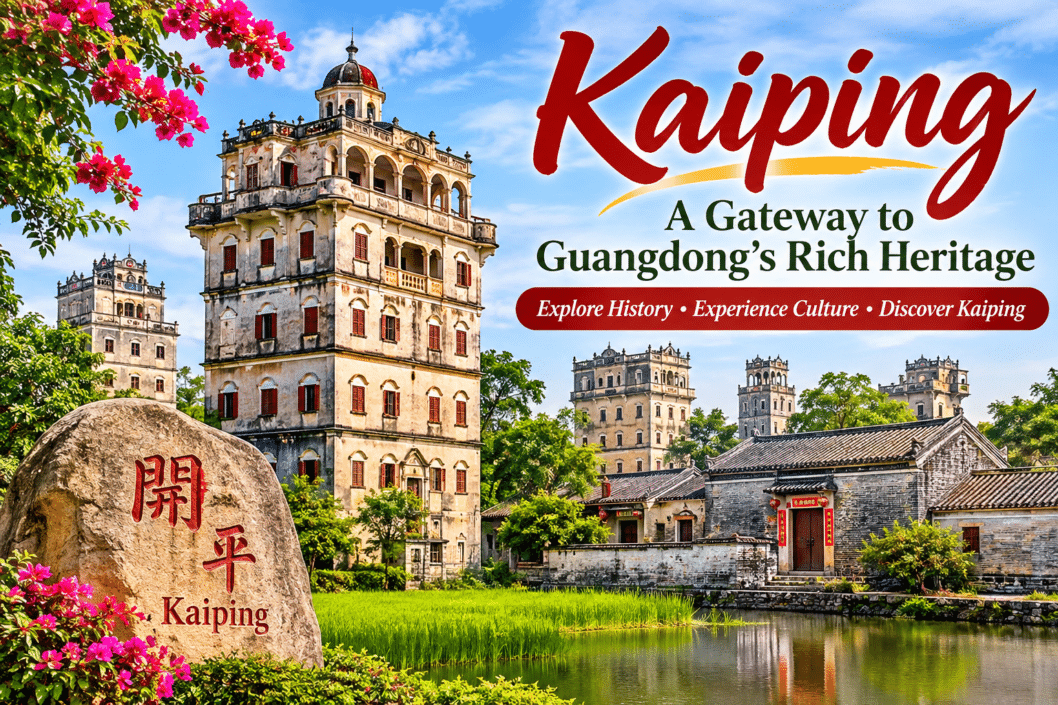
Introduction to Kaiping
Located in Guangdong province in southern China, Kaiping is a vibrant testament to the region’s rich heritage and history. Geographically positioned south of the Pearl River Delta, this city is renowned for its distinctive blend of traditional Chinese culture and Western architectural influences, largely shaped by its historical expatriate community. Over the years, many residents emigrated to various parts of the world, particularly the Americas, and returned home with diverse experiences that shaped the city’s architectural and cultural landscape.
Kaiping’s historical significance cannot be overstated; it was the locus of immense economic development during the late 19th and early 20th centuries. This period saw an influx of remittances sent back by Kaiping expatriates, which were used not only to revitalize the local economy but also to construct the now-iconic “diaolou” towers. These unique structures merge functionality with artistry, designed as fortified residences that offered protection against bandits while showcasing their owners’ wealth and status. Listed as a UNESCO World Heritage site in 2007, the diaolou symbolize the architectural ingenuity and historical narrative associated with Kaiping’s international connections.
Moreover, the city serves as a focal point for exploring its rich cultural heritage, including folk arts and culinary traditions that reflect its deep-rooted history. As one traverses the bustling streets of Kaiping, it becomes evident that the town is more than just a collection of buildings; it is a living museum that encapsulates stories of resilience, innovation, and community. This introduction lays the groundwork for a deeper exploration of Kaiping’s architectural wonders and its unique connections to communities far beyond its borders, highlighting its role as a significant cultural bridge between diverse worlds.
The Historical Background of Kaiping
Kaiping, in Guangdong province, China, boasts a rich historical tapestry that intertwines its ancient roots with significant developments during the Ming and Qing dynasties. The city’s origins can be traced back to the Han Dynasty, when it initially emerged as a settlement known for its agricultural productivity. Over the centuries, growing trade and commerce, fueled by Kaiping’s geographic advantage near the Pearl River, catalyzed its transformation into a thriving hub.
By the Ming Dynasty, particularly during the 16th century, Kaiping began to flourish as a pivotal center for overseas trade. This era marked the establishment of the kaifeng, a form of concession that allowed traders to engage freely with foreign merchants and fostered a vibrant economic atmosphere. The influence of this trade can still be seen today in the architectural styles scattered throughout the region, showcasing a blend of ornate Western elements integrated into traditional Chinese aesthetics.
During the Qing Dynasty, between the late 19th and early 20th centuries, Kaiping saw a surge in emigration, notably to the United States. This migration led to the establishment of numerous overseas Chinese communities, particularly in cities like Chicago. These emigrants not only sought better economic opportunities but also actively contributed to their homeland through remittances and the construction of unique architectural features, such as the iconic Diaolou towers. These structures served as both fortifications and residences for returning emigrants, reflecting the prosperity of their endeavors abroad and the blending of cultural influences.
As Kaiping evolved, the interplay between local traditions and the contributions from its diaspora became fundamental to its identity. The city’s historical narrative, therefore, serves as a testament to resilience and cultural exchange, forming a crucial part of Guangdong’s broader heritage.
Architectural Marvels of Kaiping
Kaiping is renowned for its distinctive architectural landscape, characterized primarily by its iconic Diaolou towers. These unique structures reflect the wealth and cultural heritage of the Chinese diaspora, who, during the late 19th and early 20th centuries, returned to their ancestral homeland after achieving success overseas. The Diaolou are a remarkable fusion of architectural styles, incorporating elements of Western and Chinese design, testifying to the transnational ties formed by emigrants.
Constructed predominantly between the late Qing Dynasty and the early Republic of China, these towers were designed not only as residences but also as fortifications against banditry and natural disasters. The architecture of the Diaolou varies significantly, showcasing eclectic styles ranging from Gothic to Baroque, as well as traditional Chinese motifs. This diversity reflects the influences of the regions where the emigrants settled and subsequently returned from, primarily the United States and other parts of the world. Each Diaolou exemplifies a blend of adaptability, cultural exchange, and the builders’ aspirations, capturing a pivotal moment in the history of a global Chinese community.
The significance of these structures goes beyond just architectural beauty. They symbolize the affluence of the Chinese families who built them, serving as cultural markers that tell the stories of migration, resilience, and identity. The Diaolou of Kaiping have been designated a UNESCO World Heritage site, further emphasizing their importance as historical artifacts that encapsulate the Chinese diaspora’s contribution to global culture and development. Today, visitors to Kaiping may experience firsthand the architectural marvels that stand tall against the backdrop of the bustling city, reminding us of the rich heritage interwoven into every brick and beam.
Kaiping’s Cultural Heritage
Kaiping, a city in Guangdong Province, is renowned for its vibrant cultural heritage, which reflects the collective history and traditions of its inhabitants. The local culture is a fascinating amalgamation of influences, primarily shaped by centuries of immigration and exchange with other regions. Over the years, the city has absorbed diverse elements from Southeast Asia, particularly from the Chinese diaspora that settled abroad and later returned to their homeland.
One of the most striking aspects of Kaiping’s cultural landscape is its rich array of festivals. The city hosts traditional celebrations, most notably the Lantern Festival and the Dragon Boat Festival. These events not only serve to strengthen community ties but also showcase the richness of local customs, folk arts, and performances. During the Lantern Festival, for instance, residents illuminate their homes with colorful lanterns while participating in cultural activities such as dragon and lion dances that reflect local folklore and ancestral traditions.
Kaiping’s culinary scene is another testament to its cultural diversity. The local cuisine features a diverse range of dishes that blend flavors and cooking techniques from various cultures. Signature dishes like “suan ni bai rou,” or pickled garlic pork, embody a unique blend of local ingredients and cooking styles, making meals in Kaiping a delightful experience for residents and visitors alike. Street food vendors also serve a wide range of dishes, from traditional dim sum to exotic snacks influenced by international culinary practices.
Beyond festivals and cuisine, daily customs in Kaiping also mirror the intermingling of traditions. Family gatherings, tea ceremonies, and rituals tied to local belief systems exemplify the harmonious coexistence of diverse influences. This rich tapestry of traditions, reinforced by a shared history, positions Kaiping as a vital cultural hub within Guangdong province, drawing in those interested in experiencing its unique heritage and the global connections it fosters.
The Chicago Connection: A Historical Overview
Kaiping, a city renowned for its rich history and cultural heritage, has a fascinating connection with Chicago that dates back to the late 19th and early 20th centuries. This historical tie is largely attributed to migration patterns of Chinese residents from the Kaiping region to the United States, particularly to cities like Chicago. This increase was driven by various factors, including political instability in China, economic opportunities abroad, and family reunification.
The Chinese Exclusion Act of 1882 created significant challenges for Chinese immigrants; however, residents of Kaiping found ways to navigate these restrictions. Many left their homeland in search of better livelihoods and prospects, and Chicago emerged as a key destination due to its burgeoning industrial economy and established Chinese community. These settlers contributed significantly to the city’s growth and development, establishing businesses, schools, and cultural organizations that reflected their diverse heritages.
As the early settlers from Kaiping established roots in Chicago, they formed a bridge between their homeland and the urban landscape of the United States. They created a network of associations that provided mutual support and helped new immigrants adjust. The connections established during this time enabled the Kaiping community to maintain its cultural practices and identity while also assimilating into American society.
The impact of this migration is evident in the vibrant Chinese community that exists in Chicago today. Many cultural and civic organizations can trace their lineage back to the early immigrants from Kaiping, showcasing their lasting influence on the city’s multicultural tapestry. These historical ties highlight the resilience of Kaiping’s residents and illustrate the intricate relationship between immigration and community formation in urban America.
Modern Kaiping: Growth and Development
Kaiping, a city located in Guangdong Province, China, has undergone significant transformations in recent years. The urban landscape has expanded rapidly, reflecting broader economic development trends in the region. As an integral part of Guangdong’s thriving economy, Kaiping has made notable strides in industrial growth and innovation, while also preserving its historical significance.
One of the key drivers of Kaiping’s modern development is its focus on attracting investment. The local government has implemented favorable policies to attract both domestic and international businesses to set up operations in the city. This influx of investment has not only bolstered the local economy but also created job opportunities for residents. The emergence of sectors such as technology, manufacturing, and tourism highlights Kaiping’s adaptability and resilience in a rapidly changing economic landscape.
Urbanization efforts in Kaiping are evident in the city’s embrace of modern infrastructure and facilities. The development of transportation networks, including roads and public transit systems, has improved connectivity, making it easier for residents and visitors to navigate the city. Additionally, new residential and commercial projects are on the rise, catering to the growing needs of the population. However, this urban expansion also brings forth challenges in balancing modern growth with the preservation of Kaiping’s historical architecture, particularly its iconic watchtowers and ancestral homes.
To address these challenges, local authorities are promoting heritage conservation initiatives to ensure that Kaiping’s rich cultural identity remains intact amid modernization. Efforts include establishing heritage sites and implementing controlled development practices that respect the historical landscape while accommodating necessary urban growth. These initiatives demonstrate a commitment to preserving the essence of Kaiping’s heritage, thereby enhancing its status as both a modern city and a guardian of its unique history.
Tourism and Attractions in Kaiping
Kaiping, a city in Guangdong Province, is renowned for its unique architectural heritage, particularly the Diaolou, which are fortified watchtowers built by returning overseas Chinese in the late 19th and early 20th centuries. These structures testify to the city’s historical significance and are part of a UNESCO World Heritage site. Exploring these remarkable buildings provides visitors with an authentic glimpse into the region’s cultural and historical tapestry. The most famous Diaolou clusters can be found in Zili Village, where a cluster of towers stands in striking contrast to the lush countryside.
In addition to the Diaolou, Kaiping boasts several local parks and gardens that provide a serene environment for relaxation and recreation. The Biyoux Garden, featuring scenic landscaping and traditional Chinese architecture, is an ideal spot for leisurely strolls. Another notable attraction is Kaiping People’s Park, which blends natural beauty with cultural elements, giving visitors a chance to experience local flora and enjoy family-friendly activities.
For those interested in heritage and history, the Kaiping Museum offers insights into the region’s past and its connections to the Chinese diaspora. Visitors can learn about the city’s history, the significance of its architecture, and its cultural exchange through informative exhibits.
When planning a visit to Kaiping, consider the best times to experience the city’s attractions. The ideal months are typically from October to April, when the climate is mild and pleasant. Transportation options include public buses and taxis, making it convenient for tourists to navigate between attractions. Local experiences, such as guided tours of the Diaolou and cooking classes featuring traditional Cantonese cuisine, further enhance the cultural experience for visitors seeking an immersive journey into Kaiping’s rich heritage.
Kaiping’s Community and Diaspora
Kaiping, a city renowned for its historical significance and architectural marvels, is not only a site for heritage enthusiasts but also a focal point for its vibrant community and the Chinese diaspora. The relationship between Kaiping and the diaspora, particularly the substantial community in Chicago, reflects a complex interplay of cultural exchanges and economic ties that continues to shape this unique city’s identity. Many descendants of Kaiping residents have established roots worldwide, maintaining connections through various community-driven initiatives and events.
In Chicago, annual gatherings and cultural festivals, such as Lunar New Year celebrations, serve as a vital link for the diaspora. These events not only reconnect individuals to their heritage but also foster a sense of belonging among younger generations who may not have had the opportunity to experience Kaiping firsthand. Activities such as traditional lion dances, culinary showcases, and art exhibitions give the diaspora an opportunity to celebrate their roots while introducing Kaiping’s cultural richness to a broader audience.
The ongoing exchange of ideas, customs, and traditions contributes significantly to Kaiping’s economic landscape. Communities based in Chicago often engage in philanthropic efforts aimed at improving local infrastructure and cultural preservation initiatives in their ancestral hometown. The remittances sent by these expatriates to Kaiping support local businesses and foster development projects that align with the community’s evolving needs.
Furthermore, the connection between Kaiping residents and the diaspora is evident in joint cultural programs designed to nurture this relationship. These initiatives create avenues for knowledge sharing and cultural understanding, ensuring that Kaiping’s legacy remains vibrant and relevant amid globalization. As this dialogue continues, the diaspora’s role in nurturing Kaiping’s identity and economy becomes increasingly apparent.
Conclusion: The Legacy of Kaiping
Kaiping, a city situated in Guangdong Province, embodies a distinctive blend of historical significance and modern vibrancy. Its rich heritage, marked by the distinctive architecture of diaolou and a storied history of overseas migration, illustrates the cultural resilience and adaptability of its people. Over the centuries, Kaiping has emerged as a symbol of the connections between China and the global diaspora, particularly to places like Chicago, where many Kaiping natives found new opportunities and established thriving communities.
In the contemporary context, Kaiping stands as a testament to the importance of preserving cultural identity while embracing globalization. The city remains proactive in protecting its UNESCO World Heritage sites, ensuring that the architectural marvels represent not only the past but also the aspirations for the future. This commitment to heritage preservation is crucial, as it allows locals and visitors to appreciate the intricacies of Kaiping’s historical narrative, intertwined with the broader tapestry of Chinese civilization.
Furthermore, the ongoing efforts to foster connections with the global Kaiping diaspora reinforce the city’s role as a cultural hub. Events that celebrate the community’s shared heritage, alongside initiatives that encourage tourism and cultural exchange, underscore the importance of this socio-cultural engagement. As these relationships grow, they help bridge gaps between generations and geographies, making Kaiping a vibrant focal point for cultural dialogue and collaboration.
By recognizing Kaiping’s significance in both historical and modern contexts, it is clear that the city deserves recognition as more than just a geographical location. It is a dynamic entity that continues to shape and be shaped by the legacies of its past and the possibilities of its future.